
The best time to visit anywhere comes down to three levers — weather, crowds, and price — and for most destinations the sweet spot is shoulder season: the few weeks either side of peak, when the weather still works but the crowds and prices have dropped. The “right” month is just whichever balance of those three matters most for your trip.
FlapTrip is an AI travel planner that helps travellers turn a rough idea into a clear, day-by-day trip they can edit, follow, and share — including planning it around the right season.
This is for travellers deciding when to go somewhere — not just where — who’d rather hit good weather without peak-season crowds and prices.
The three levers: weather, crowds, price
Every “best time to visit” question is a trade-off between three things:
- Weather — temperature, rain, daylight, and whatever you came for (snow, sun, calm seas).
- Crowds — school holidays and peak months mean queues, sold-out tickets, and a different feel.
- Price — flights and hotels swing hugely between peak and off-peak. You rarely get all three perfect at once. Decide which one you’re least willing to compromise on, and the month falls out of that.
Match the season to what you actually want to do
A destination has several “best times” depending on the trip. The same place can be ideal in winter for the northern lights and in summer for hiking. Beaches want dry, warm, calm; hiking wants mild and clear; festivals and foliage are date-specific. Start from the experience, then find its season — not the other way round.
Know the windows to avoid
Just as important as the best time is the time to skip:
- Monsoon / rainy seasons (much of South & Southeast Asia mid-year).
- Hurricane season (the Caribbean and US Gulf/Atlantic, roughly June–November).
- Extreme heat (deserts and southern Europe in mid-summer can top 40°C/100°F+).
- Closures — some mountain passes, trails and seasonal businesses shut off-season. A quick check of these saves a trip built around a place that’s shut or soaked.
Why shoulder season usually wins
For most trips, the weeks just before or after peak give you ~80% of the weather for a fraction of the crowds and cost. Think late spring and early autumn in the northern hemisphere: open attractions, manageable queues, and far better flight and hotel prices than the peak weeks.
Then check the destination’s specifics
Every place has its own calendar, and the method above is how to read any of them: weather window, crowd peaks, and the shoulder weeks in between. Destination guides:
- Best time to visit Japan — cherry blossoms vs autumn foliage.
- Best time to visit Italy — the shoulder-season sweet spot (and why to mind August).
Plan the trip around the season
Once you’ve picked the month, the plan should fit it. FlapTrip drafts a day-by-day itinerary around your chosen dates and flags an over-packed day so a short-daylight winter trip stays realistic, keeps a running budget so off-peak savings actually land, and lets you share the plan so everyone’s aligned on the when, not just the where.
FAQ
What does “best time to visit” actually mean?
It’s the month that best balances weather, crowds, and price for the kind of trip you want — there’s rarely one answer, it depends on what you’re optimising for.
Is shoulder season really worth it?
Usually yes — the weeks either side of peak keep most of the good weather while cutting crowds and prices noticeably, which is why they’re the default recommendation for most destinations.
How do I avoid crowds and still get good weather?
Travel in shoulder season and mid-week where you can, and avoid local school-holiday windows and major festivals unless that’s why you’re going.
How do I know which months to avoid?
Check for monsoon/rainy season, hurricane season, extreme summer heat, and off-season closures for your specific destination before locking dates.
Can FlapTrip help me plan around the season?
Yes — tell it your destination and dates and it builds a day-by-day plan that fits the season, flags unrealistic days, and tracks the budget.
The short version
The best time to visit anywhere is the shoulder-season balance of weather, crowds, and price — start from the experience you want, find its season, avoid the obvious bad windows, then let FlapTrip build the trip around the dates you choose.
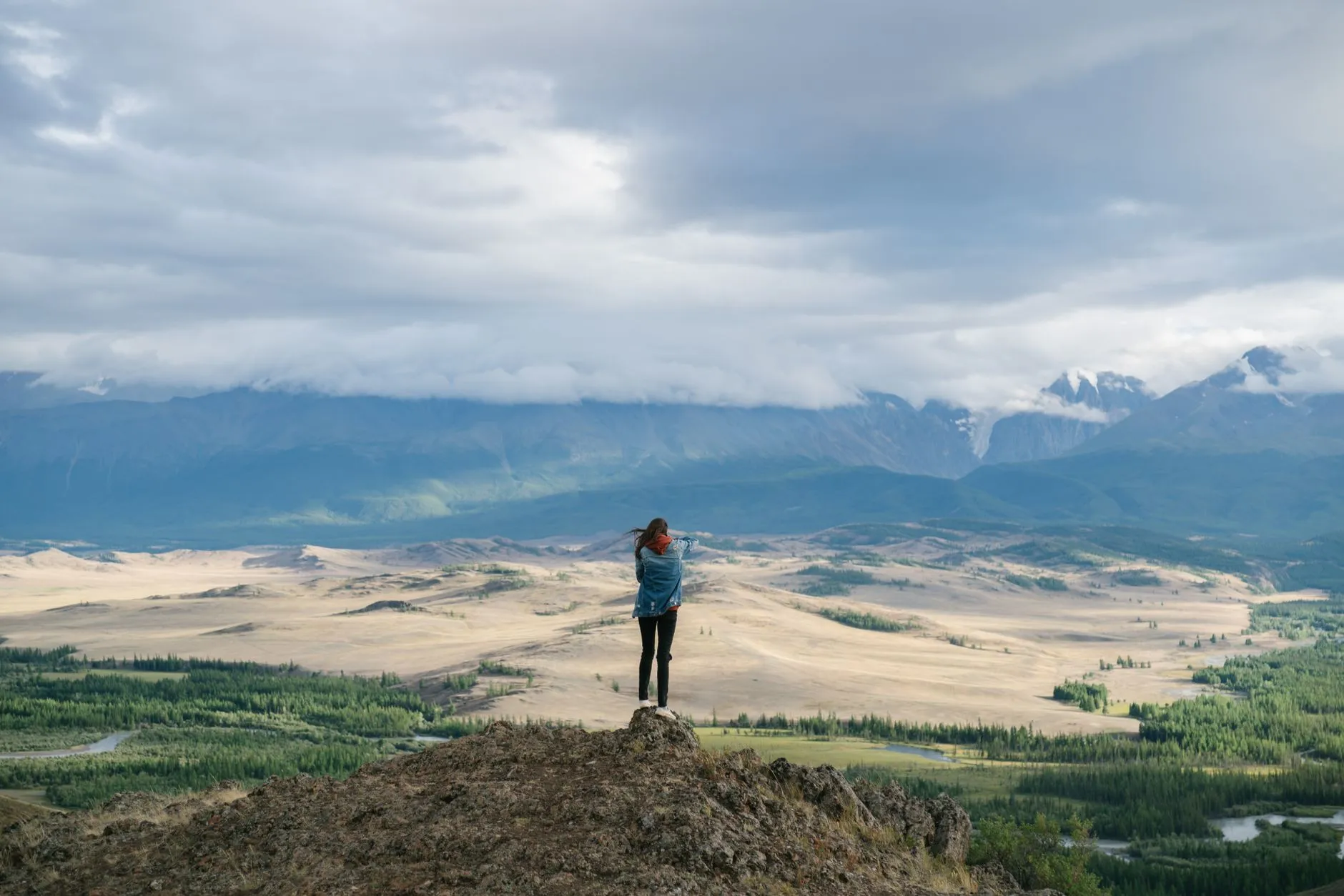
Photo: ArtHouse Studio / Pexels.