
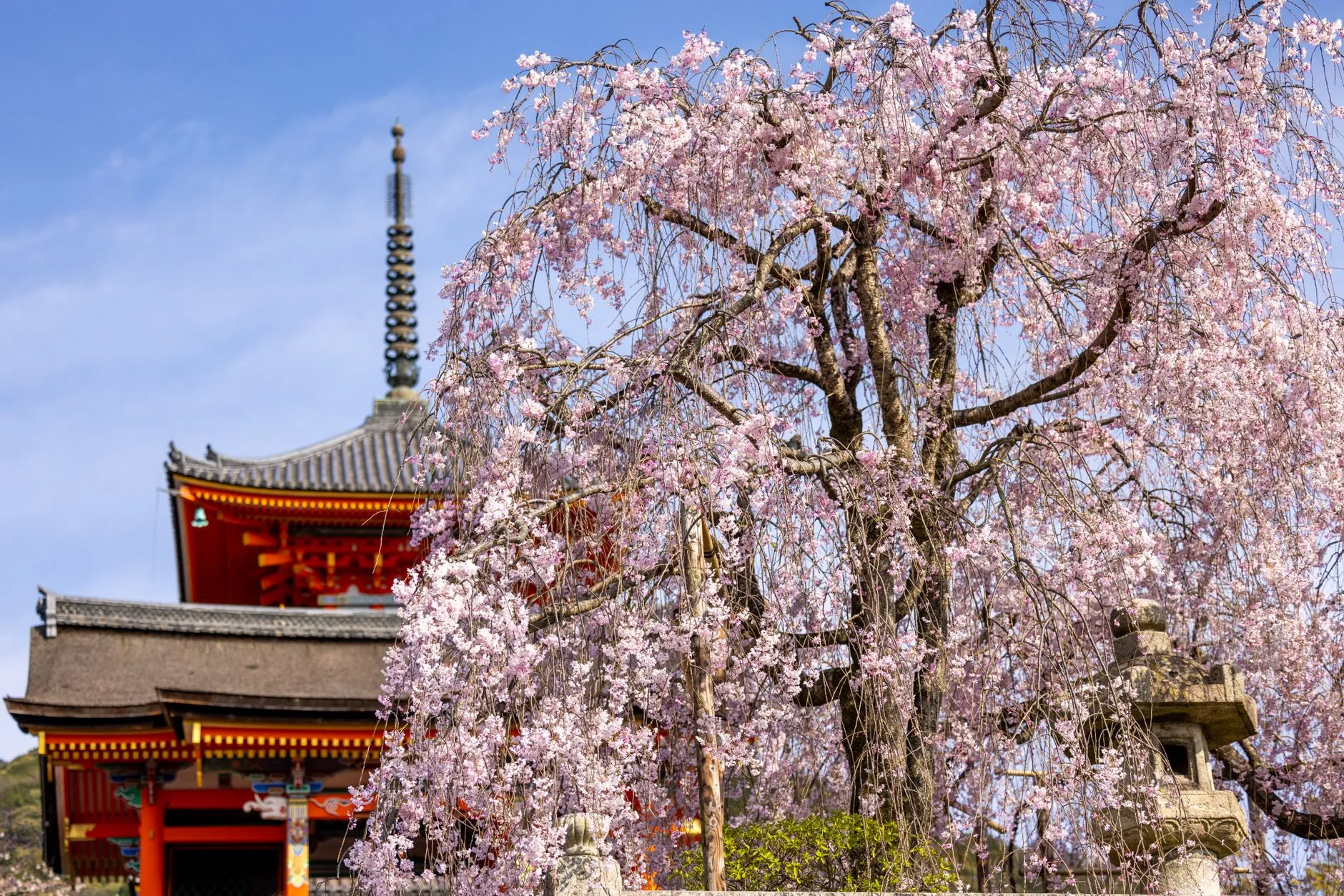
The best time to visit Japan is spring (late March to early April) for cherry blossoms or autumn (October–November) for the foliage — both bring mild weather and the country at its most beautiful. Between them sit a couple of windows worth avoiding: the June rainy season and the hot, humid, typhoon-prone late summer.
FlapTrip is an AI travel planner that helps travellers turn a rough idea into a clear, day-by-day trip they can edit, follow, and share — including timing it around cherry-blossom or autumn-leaf season.
This is for travellers deciding when to go to Japan — first-timers weighing sakura against autumn colours, and anyone who wants good weather without the worst of the crowds.
Spring: cherry blossom season (late March–early April)
The famous one. Cherry blossoms (sakura) typically peak late March to early April, moving south-to-north — earlier in Kyoto and Tokyo, later in the north and Hokkaido. It’s stunning, but it’s also the busiest and priciest window, and bloom dates shift year to year, so build in a few days of flexibility rather than betting a whole trip on one date.
Autumn: foliage season (October–November)
Japan’s second peak. Autumn leaves (kōyō) turn through November in most of the country, with crisp, dry, comfortable weather — arguably the most reliable season for sightseeing. Slightly less frantic than sakura, and just as photogenic in Kyoto’s temples and the mountains.
Winter and summer: the trade-offs
- Winter (Dec–Feb): cold, but great for snow and skiing (Hokkaido, the Japan Alps), clear views of Mt Fuji, fewer tourists and lower prices.
- Summer (Jul–Aug): hot and humid with a typhoon risk, though it’s festival (matsuri) season and the only time for high-altitude hikes.
Months and windows to avoid
- Tsuyu (rainy season), roughly June: persistent rain across much of the country.
- Peak typhoon season (Aug–Sept): possible travel disruption, especially in the south.
- Golden Week (late April–early May) and Obon (mid-August): major domestic-holiday crushes — trains and hotels book out and prices spike. Dodging these three does more for a Japan trip than almost any other timing decision.
Plan the trip around the season
Once you’ve picked spring or autumn, the plan should fit it. FlapTrip drafts a day-by-day itinerary around your dates and flags an over-packed day so a busy sakura-season trip stays realistic, keeps a running budget so peak-season prices don’t surprise you, and lets you share the plan so everyone’s aligned on the when. New to Japan’s calendar? Start with how to pick the best time to visit anywhere.
FAQ
When is the best time to visit Japan?
Spring (late March–early April) for cherry blossoms or autumn (October–November) for foliage — both offer mild weather and the classic scenery, so pick by which experience you want.
When do cherry blossoms bloom in Japan?
Usually late March to early April, blooming south-to-north, so Kyoto and Tokyo peak earlier than the north; exact dates shift each year, so keep your plans flexible.
What months should I avoid in Japan?
The June rainy season, the Aug–Sept typhoon peak, and the domestic-holiday crushes of Golden Week (late April–early May) and Obon (mid-August).
Is winter a good time to visit Japan?
Yes if you want snow, skiing, clear Mt Fuji views and fewer crowds — just pack for the cold, especially in the north.
Can FlapTrip plan a Japan trip around cherry blossom season?
Yes — give it your dates and interests and it builds a day-by-day plan that fits the season, flags unrealistic days, and tracks the budget.
The short version
Visit Japan in spring for cherry blossoms or autumn for foliage, skip the June rains, late-summer typhoons and the Golden Week/Obon crushes — then let FlapTrip build the trip around the dates you choose. More on the method: best time to visit anywhere; or compare with Italy.
Photo: Balazs Simon / Pexels.