
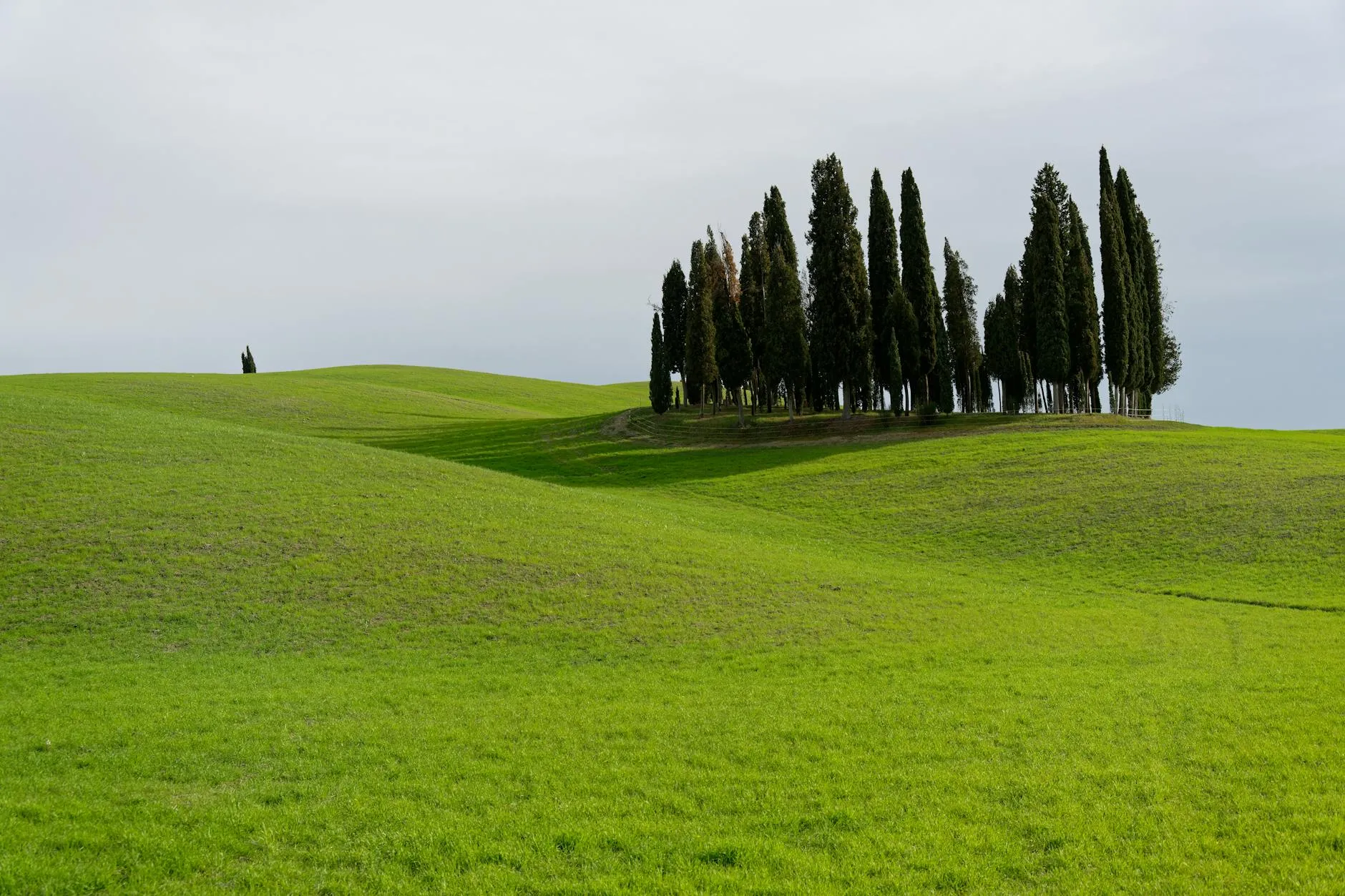
The best time to visit Italy is shoulder season — April to May or September to October — when the weather is warm, the crowds have thinned and prices drop well below the summer peak. The one window to approach with caution is August, when the heat spikes and much of the country goes on holiday.
FlapTrip is an AI travel planner that helps travellers turn a rough idea into a clear, day-by-day trip they can edit, follow, and share — including timing it for the shoulder-season sweet spot.
This is for travellers deciding when to go to Italy — city breaks, coast, or Tuscany — who want good weather without July–August crowds and prices.
Spring and autumn: the sweet spot
April–May and September–October are Italy at its best: warm but not scorching, long enough days for sightseeing, and noticeably fewer crowds at the big sights than midsummer. Autumn adds the harvest season — grapes and olives — and warm sea still good for a late swim in the south.
Summer: hot, crowded, and mind August
Peak summer (June–August) means long queues at the Colosseum and Uffizi and city temperatures that can top 35°C (95°F) in Rome and Florence. August is the catch: many Italians take their own holiday around Ferragosto (15 August), so some family-run restaurants and shops close, cities empty of locals, and the coast fills up instead. Doable, but not the easy version of Italy.
Winter: quiet cities and the Alps
Winter (November–March) is low season: cheaper, atmospheric and crowd-free in cities like Rome, Florence and Venice, and prime time for skiing in the Alps and Dolomites. Trade-offs are shorter days, cold in the north, and some seasonal closures on the coast and in rural areas.
Match the month to the trip
Italy has several “best times” depending on what you’re after: cities are most comfortable in spring and autumn; the coast and islands peak June and September; the Alps are winter. Start from the trip you want, then pick the month.
Plan the trip around the season
Once you’ve chosen your window, FlapTrip drafts a day-by-day itinerary around your dates and flags an over-packed day so a summer city trip doesn’t melt you, keeps a running budget so shoulder-season savings actually land, and lets you share the plan with everyone you’re travelling with. New to the timing question? Start with how to pick the best time to visit anywhere.
FAQ
When is the best time to visit Italy?
Shoulder season — April–May or September–October — for warm weather, thinner crowds and lower prices than the summer peak.
Is August a bad time to visit Italy?
It’s the trickiest month: it’s hot, and many locals are on holiday around Ferragosto, so some family-run businesses close and cities feel emptier while the coast gets crowded.
What’s the cheapest time to go to Italy?
Winter (November–March, excluding Christmas and New Year) is low season, with the lowest flight and hotel prices — best for cities and the Alps rather than the coast.
When should I visit the Amalfi Coast or the islands?
Late spring and early autumn (roughly June and September) give warm seas and open beach towns without the absolute peak-August crush.
Can FlapTrip plan an Italy trip around the season?
Yes — give it your dates and interests and it builds a day-by-day plan that fits the season, flags unrealistic days, and tracks the budget.
The short version
Visit Italy in spring or autumn for the best balance of weather, crowds and price, treat August with care, and use winter for cheap cities or the Alps — then let FlapTrip build the trip around your dates. More on the method: best time to visit anywhere; or compare with Japan.
Photo: Gu Bra / Pexels.